By The Uptown Standard Editorial Staff
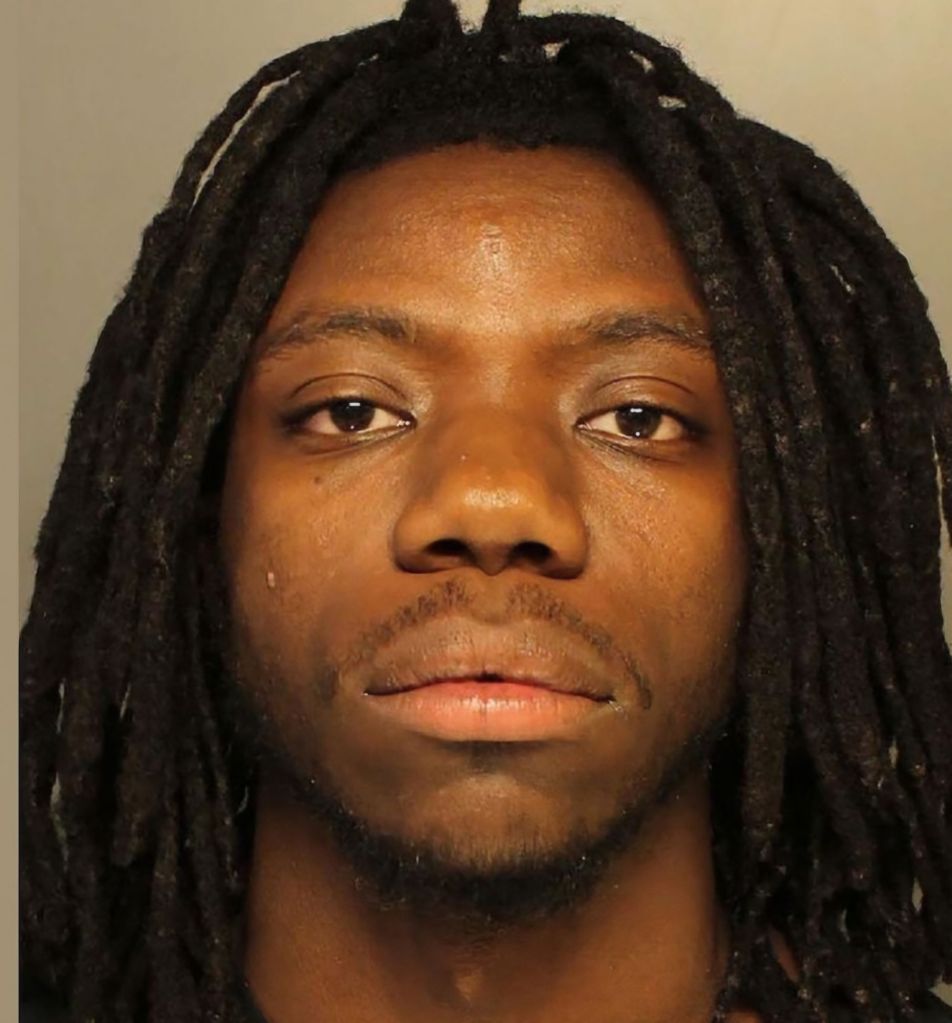
Photo courtesy of the PPD.
When 21-year-old Keon King posted $20,000 to secure his release from jail earlier this year, the amount may have seemed routine — a figure set daily in courtrooms across Philadelphia. But six months later, 23-year-old Kada Scott was dead, and King stood accused of her kidnapping and murder.
The case has reignited a deep debate over whether America’s cash-bail system — meant to guarantee that defendants return to court — instead undermines both public safety and justice.
HOW CASH BAIL WORKS — AND WHY IT FAILS
Cash bail is supposed to ensure that a person charged with a crime appears for trial. A judge or bail commissioner sets a financial amount based on the charges, the defendant’s history, and their perceived risk to the community. The accused can then pay a percentage — usually ten percent — and go home until trial.
In theory, the system is neutral. In practice, it often rewards wealth and punishes poverty. King had been charged with kidnapping and strangulation, both violent felonies. Prosecutors asked for nearly a million dollars in bail, but a municipal bail commissioner reduced it to $200,000, allowing King to walk free after paying just $20,000.
That single decision set in motion a chain of events that ended in tragedy.
HOW THE SYSTEM FAILED
The cash-bail system didn’t just malfunction — it worked exactly as designed, and that’s the problem.
It measured money, not risk. King’s freedom wasn’t determined by the violence of his charges but by his ability to raise cash. It equated wealth with safety. A person accused of kidnapping and assault could buy release, while a poor nonviolent offender might remain behind bars.
There was no automatic review or oversight once the commissioner lowered the bail. The District Attorney’s Office didn’t appeal the decision, leaving King free despite clear warning signs.
The system treated freedom like a transaction instead of a safety decision — and in this case, the public paid the price.
A SYSTEM OF UNEQUAL INCENTIVES
Critics say cash bail has created a two-tiered justice system: one for those who can afford freedom and another for those who can’t. A violent defendant with resources can go home within hours, while someone arrested for a low-level offense may sit in jail for weeks simply because they lack money.
Philadelphia’s bail reforms have reduced unnecessary detention for nonviolent offenders, but the Kada Scott case exposed the opposite danger: when high-risk defendants are given too much leniency, the results can be fatal.
VOICES FROM THE COMMUNITY
The tragedy has drawn emotional responses from across the city’s political spectrum.
On the right, many have blamed District Attorney Larry Krasner’s reform policies for creating a system that prioritizes leniency over safety. Frankie Scales, a conservative community advocate and founder of SurgePhilly, said he once attended high school with King. “He was given chance after chance to change back then,” Scales recalled. “So by early this year, when he was arrested for kidnapping and strangulation, he didn’t deserve any more chances. But as usual, ‘let ’em out Larry’ dropped the charges and allowed him to walk free.”
From the other side, progressives have argued that the real failure lies in relying on money to determine who stays in jail. Dr. Jonathan R. Wilson, a community activist and policy advocate, said the killing of Kada Scott “reveals how the cash-bail system can endanger public safety by equating financial means with freedom.” He explained that a no-cash bail model, guided by risk assessments, “would have prioritized the violent nature of King’s prior offense over his ability to post bond. In this case, such a system could have prevented a preventable tragedy.”
The two men disagree on politics but not on the outcome: both say the current system failed to keep the public safe.
THE LAWYER’S PERSPECTIVE
Even inside the courtroom, the case has stirred strong emotions. Defense attorney Shaka Johnson, who represents King, told WDAS 105.3 FM host Frankie Darcell that he’s faced intense backlash for taking on the case. “There are online petitions calling for me to be removed because they don’t want me representing this gentleman,” Johnson said. “I listen for God’s voice when I am deciding whether to take a case.” When Darcell asked if that applied to this one, he replied, “Most definitely. This is not about money. I’ve been getting coins a long time. This is not about clout chasing or needing to somehow be in the public eye with a high-profile case.”
Johnson said King faces a long list of charges — including murder, kidnapping, conspiracy, abuse of corpse, and tampering with evidence — but insisted his role is not about public perception. “People see me and assume I’m chasing a headline,” he said. “But I’ve been doing this for years. My job is to make sure the system itself — no matter how broken — works the way it’s supposed to.”
THE BIGGER PICTURE
Across the country, jurisdictions are struggling to balance bail reform with public safety. Some states have eliminated cash bail for low-level crimes, replacing it with risk-assessment models. Others continue to rely on dollar amounts.
Critics of cash bail argue that it fails both fairness and safety, letting dangerous offenders buy their way out while low-risk, poor defendants remain jailed. Supporters say judges still need discretion — and that removing cash bail without funding supervision could lead to even more danger.
The Kada Scott case underscores one undeniable truth: money cannot measure risk.
WHAT COMES NEXT
Kada Scott’s death has sparked calls for major changes, including a review of the bail-commissioner system, automatic judicial review when prosecutors object to low bail, and expanded victim-protection programs to support witnesses and survivors.
When freedom has a price tag, the question isn’t just who can afford it — it’s who will pay the cost.
EDITOR’S REFLECTION
Years ago, when I served as campaign manager for Beth Grossman’s bid for District Attorney, Larry Krasner’s call to eliminate cash bail struck me as extreme. At the time, I viewed it as an untested progressive idea that could weaken accountability.
But as time has passed — and especially in light of the Kada Scott case — I’ve come to better understand his argument.
This tragedy exposes not only the flaws of the cash-bail system but also the extraordinary power held by unelected bail commissioners, whose decisions can determine who walks free and who stays behind bars. That position carries enormous weight but little public oversight.
Reform doesn’t mean choosing between accountability and compassion; it means ensuring that those who hold power in the justice system use it wisely, transparently, and with the community’s safety in mind.
 Uptown Standard