By James Williams
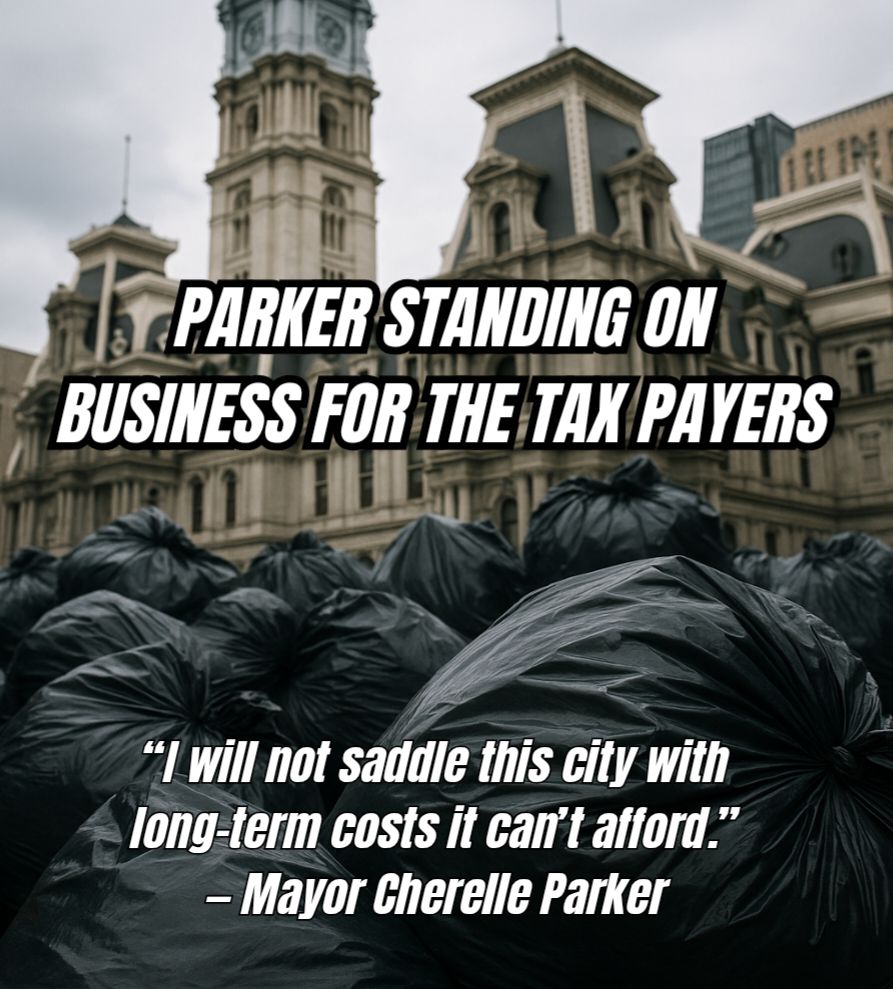
Philadelphia is now in the midst of a full-scale city worker strike. Trash sits curbside, recreation centers are closed, and the frustration is real. District Council 33 (DC33), the city’s largest municipal union, has walked off the job after rejecting what many consider a historic offer from Mayor Cherelle Parker.
But this strike isn’t just about sanitation or pay. It’s a test of leadership, fairness, and whether Philadelphia can afford to say yes to everyone—without bankrupting itself.
As a former City Council staffer, I’ve seen what unchecked labor costs do to a city budget. That’s why I support Mayor Parker. Her stance on wages, residency, and long-term responsibility is bold, necessary, and overdue.
A Strong Offer, Rejected
Mayor Parker offered DC33 more than 12% in raises over four years, including a 5% raise in the first year—the largest single-term pay bump in decades. In response, DC33 demanded 8% raises every year—a figure that would blow a hole through future city budgets.
Fiscal discipline matters. And the mayor is right not to overextend taxpayers to satisfy unrealistic demands.
Two Big Contracts, One Budget Crisis
We can’t forget that the Philadelphia Federation of Teachers (PFT) is also negotiating a new contract—set to expire in August 2025. They’ve already voted to authorize a strike.
If both DC33 and PFT receive major increases, the city could face hundreds of millions in new obligations. The result? Higher taxes, reduced services, or staff cuts in future years.
Mayor Parker is thinking long-term—and she’s right to do so.
Residency Must Be Required for All
DC33 wants to weaken the residency rule. Their proposal: allow workers to move out of the city after five years. I disagree.
If the Mayor, City Councilmembers, and their staff must live in Philadelphia, then so should every city worker—including police, fire, and sanitation. We can’t have a double standard. Everyone who serves the city should also live here.
Let’s Talk About Overtime
The union’s affordability argument rings hollow when many of its members are already earning $65,000 to $75,000 or more annually due to overtime. Base salaries may hover around $45,000, but consistent overtime dramatically changes take-home pay.
This isn’t about survival wages. It’s about the long-term financial sustainability of city government.
The Bigger Picture
Approving both the union’s raise demands and relaxing residency would burden city finances for years. Pension and health costs will surge. Budgets will get tighter. Critical investments will be delayed or canceled.
Mayor Parker said it best:
“I will not saddle this city with long-term costs it can’t afford.”
That’s what real leadership sounds like.
Closing Thought
Philadelphia needs strong leaders willing to make tough calls. I’ve worked inside City Hall—I know how tempting it is to chase popularity over policy.
But Mayor Parker is putting principle over politics. She’s offering fair pay and firm boundaries. And she’s doing it to protect not just today’s budget, but Philadelphia’s future.
Let’s stand with that.
 Uptown Standard