By James Williams, Editor-in-Chief
Philadelphia’s public transit system is standing at the edge of a cliff—and unless Harrisburg lawmakers act now, it’s not just SEPTA that will fall, but the entire region’s economy, mobility, and quality of life.
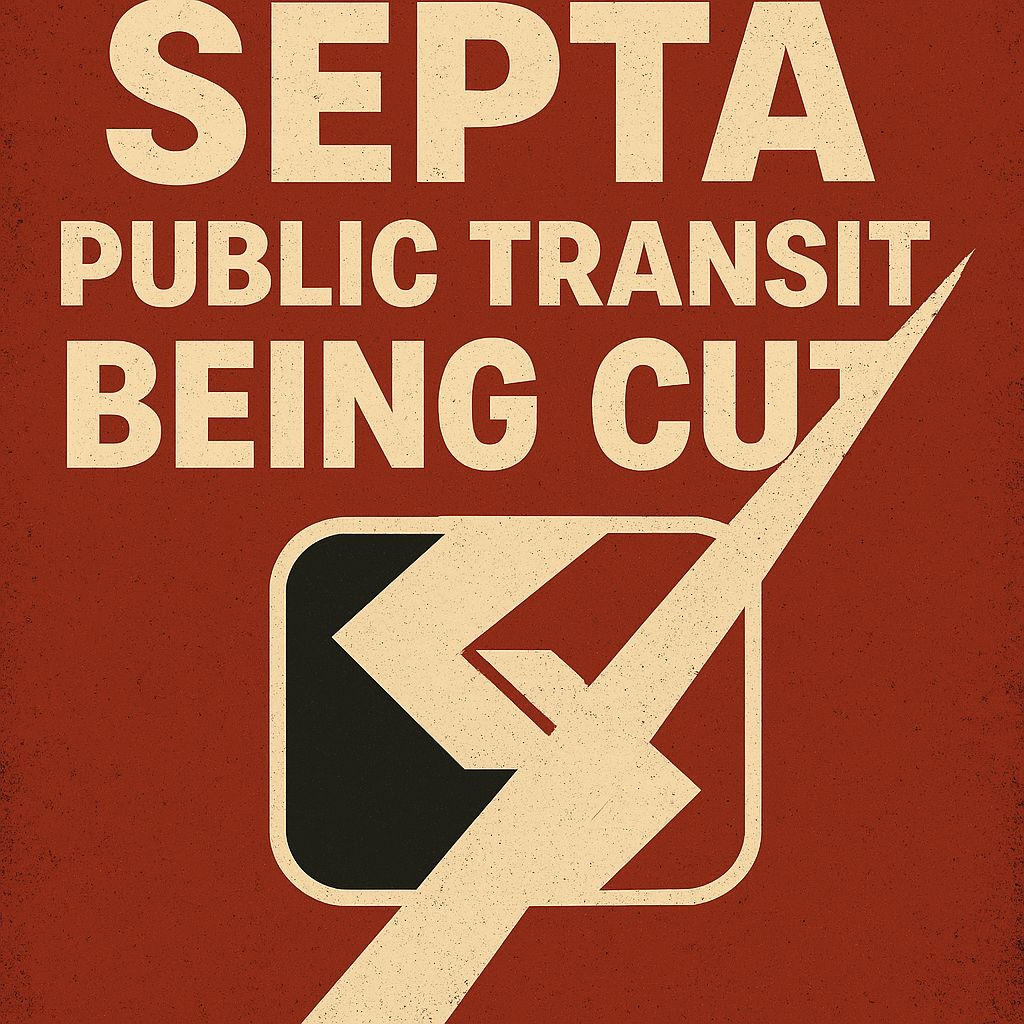
On April 10, SEPTA officials released a grim budget proposal outlining a 45% service cut, a 21.5% fare increase, workforce reductions, and a 9 p.m. curfew on all rail lines beginning this fall. Fifty bus routes are on the chopping block, five Regional Rail lines will be eliminated by January, and service to major events—including the 2026 World Cup and the nation’s 250th anniversary celebration—could vanish entirely.
This isn’t just a transit issue. It’s a regional emergency.
Governor Josh Shapiro didn’t mince words, calling the cuts “completely avoidable” if the Pennsylvania State Senate passes his mass transit funding plan. The state House has already passed it three times, and Shapiro even used flexible federal funds last year to temporarily patch the deficit. But that Band-Aid won’t hold for long. SEPTA is legally required to pass a balanced budget by July 1, and without new state investment, the only options left are service cuts, fare hikes, and layoffs.
The consequences would be staggering. Workers in every sector—from healthcare to education to hospitality—depend on SEPTA to get to jobs. Students rely on it to attend school. Seniors and the disabled use it for medical appointments and groceries. If these cuts go through, businesses across the region will lose customers and workers. Road congestion will skyrocket as more commuters are forced into cars. Property values near transit lines could drop, while SEPTA itself will stop purchasing millions in local supplies, dealing another blow to the economy.
According to the Chamber of Commerce for Greater Philadelphia, the economic fallout could be catastrophic:
> “SEPTA today announced plans to increase fares across the system by 21.5% and cut service nearly in half across all modes of transit, leaving many without access to employment, education, and healthcare.
These plans would lead to massive drops in ridership and the dismantlement of our transit system after generations of investment. The result? Workers, students, residents and visitors would lose a critical transportation option. Employers would experience increased hiring challenges. And worst of all, talent and businesses could leave the region altogether.
SEPTA projects a loss of over 75,000 jobs in our region due to inadequate transit funding, devastating local businesses, fragmenting neighborhoods, and contracting our regional economy. The Chamber urges state lawmakers to take decisive action to enact a dedicated funding solution that will avert these planned fare increases and service cuts.”
Philadelphia City Councilmember Jamie Gauthier (3rd District) also issued a stark warning:
> “Reliable public transportation is fundamental to the success of my constituents and the entire commonwealth. My Council district is the only one where a majority of residents do not drive to work. We rely on SEPTA to make money, get to school, and access healthcare and other essentials. I shudder to think about the catastrophic damage that will be done if SEPTA’s doomsday service cuts and fare hikes go into effect.
Governor Shapiro bought us some time, but the clock is running out. This is an emergency. The City of Philadelphia is investing in SEPTA but we need the Pennsylvania General Assembly to step up. Pennsylvania House and Senate Democrats are ready to get this done. Harrisburg Republicans must stop playing politics with our livelihoods and make a deal to fully fund mass transportation and keep Pennsylvania’s economy moving forward.”
SEPTA has already cut costs by $30 million through aggressive austerity, frozen management salaries, and resumed charging for parking at Regional Rail lots. But those measures alone can’t close a projected $213 million budget gap.
Meanwhile, dozens of long-overdue infrastructure upgrades and accessibility improvements will be delayed due to capital budget shortfalls. The region’s ability to modernize and expand transit is grinding to a halt—just when we need it most.
There is still time to act—but it’s running out.
Public hearings will be held May 19 and 20 at SEPTA Headquarters for the Operating Budget, and May 21 for the Capital Budget. Comments are due by May 28.
Even if you don’t ride SEPTA, you’ll feel the impact—through clogged roads, slower emergency response times, weaker job markets, and higher local taxes to fill future gaps. We need everyone to raise their voice, contact lawmakers, and speak up at public hearings.
This is a fight for more than just buses and trains.
It’s a fight for the future of Southeastern Pennsylvania.
Visit http://www.septa.org/fundingcrisis to submit your comments and learn more.
 Uptown Standard