By James Williams, Editor
So, let me get this straight: the media spent days blasting Elon Musk and Donald Trump over a $400 million State Department contract for armored Tesla Cybertrucks—only for it to be revealed that the contract was actually part of Biden’s 2025 budget proposal? You can’t make this up.
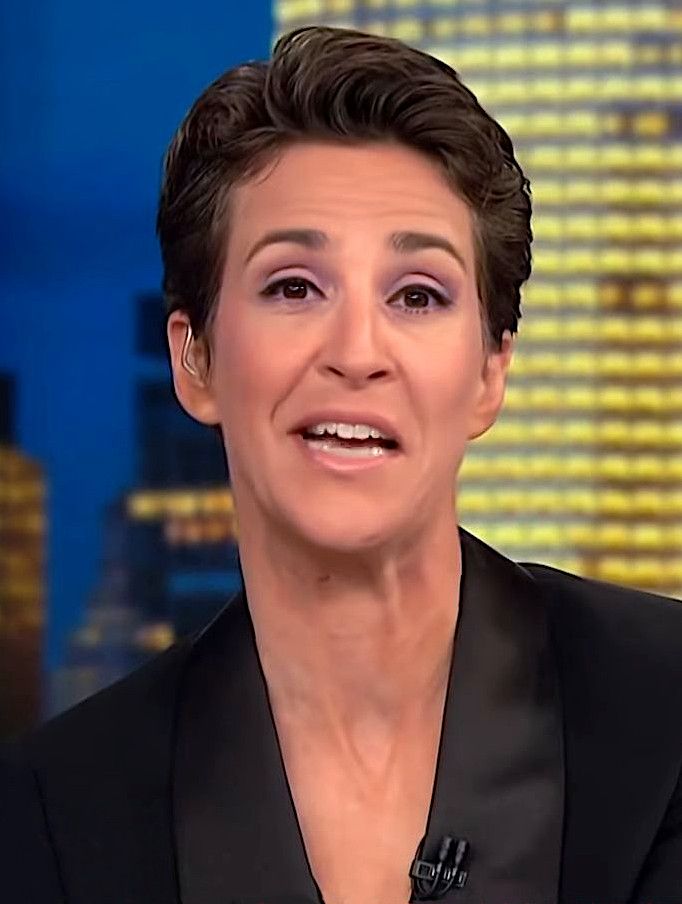
It all started when MSNBC’s Rachel Maddow ran with the story, painting this as yet another example of Trump’s alleged pay-to-play politics. The outrage was immediate. How could Trump slash funding for USAID and other programs while his supposed ally, Elon Musk, raked in lucrative government contracts?
The problem? The procurement document that started this frenzy was produced in December 2024—when Biden was still in office. The spreadsheet listed a line item for “Armored Tesla (Production Units)” with a contract range of $100 million to $500 million. On February 12, that entry was conveniently updated, removing Tesla’s name altogether.
Musk himself seemed confused, tweeting, “I’m pretty sure Tesla isn’t getting $400M. No one mentioned it to me, at least.” And yet, the media firestorm continued.
Let’s be real—Musk’s companies, Tesla and SpaceX, have done big business with the government for years. Since 2014, they’ve reportedly received over $15.4 billion in federal contracts. And Biden himself has pushed for electric vehicle adoption in the federal fleet, signing an executive order in 2021 encouraging agencies to go electric. So why was this suddenly framed as a Trump scandal?
Because it fit a narrative. The idea that Trump was rewarding his political allies, that Musk was part of some grand pay-to-play scheme—it was just too good to fact-check. And when the truth came out? Crickets. No retractions, no corrections, just quietly moving on to the next outrage cycle.
This isn’t about defending Musk or Trump. It’s about how easily misinformation spreads when it aligns with political biases. The media was quick to run with the most scandalous interpretation possible, and now that it’s debunked, they’re hoping we just forget.
But we shouldn’t. We should remember who rushed to mislead us—and who stayed silent when the truth came out.
 Uptown Standard